May 18, 2026
From Doha to DC: Exploring the Transit Systems of Seattle’s World Cup Nations
Boop is ready to host some international soccer stars!
It’s almost game time! As Seattle prepares to host the world, we thought it would be fun to look at the transportation systems in the capital cities of the nations visiting Seattle for the World Cup. As supporters travel to Puget Sound to cheer on their teams, many will arrive with experience navigating some of the world’s most fascinating transit networks, from the automated metro lines of Doha to the subway tunnels beneath Cairo.
Public transportation plays a major role in the fan experience during global sporting events, helping millions of people move quickly, sustainably, and efficiently through major cities. And just like Seattle riders rely on the ORCA card to get around the Puget Sound region, each country represented in Seattle’s World Cup matches has its own unique way of connecting riders to trains, buses, and stadiums.
Here’s a look at the capital city transit systems of the countries coming to play in Seattle, and the fare cards that help keep their cities and supporters moving.
United States (Washington, D.C.)
Washington, D.C.’s Metrorail system, launched in 1976, is one of the most recognizable transit networks in the United States, known for its vaulted stations and extensive regional connections throughout the D.C. region.
Highlights
- Six rail lines across Washington D.C., Maryland, and Virginia
- Strong connections to sports venues, airports, and tourism destinations
- SmarTrip cards can be loaded into Google Wallet and Apple Wallet for use on smart devices
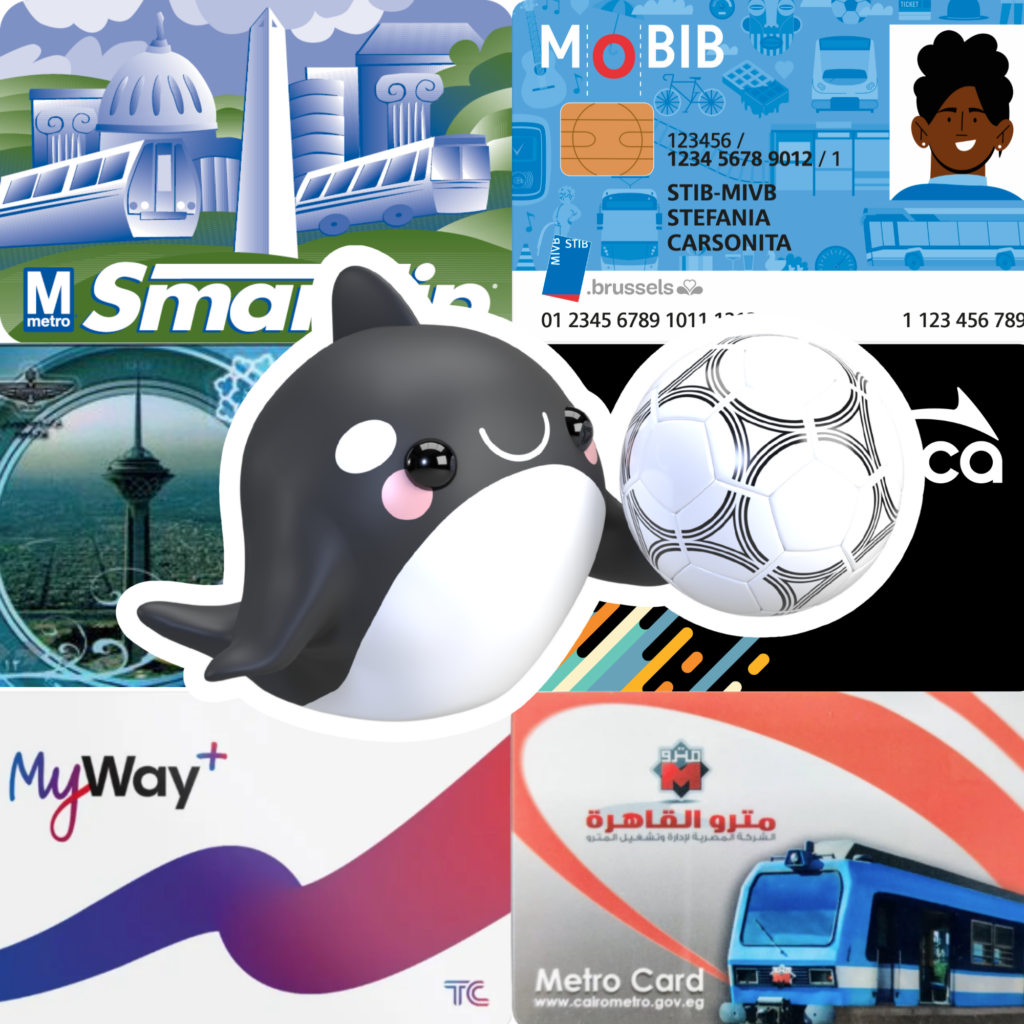
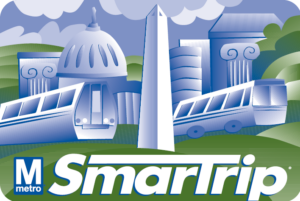
Fare Payment: Riders use the SmarTrip card, a reloadable fare card that works across Metrorail, Metrobus, and regional transit services throughout the D.C. area, similar to the ORCA card.
Australia (Canberra)
Australia’s capital city has recently invested heavily in modern light rail and bus rapid transit to connect growing neighborhoods and government centers.
Highlights
- Canberra Metro light rail opened in 2019
- Integrated bus and rail network
- Riders can use a MyWay+ pass within the MyWay+ app to tap on and off using a smart device
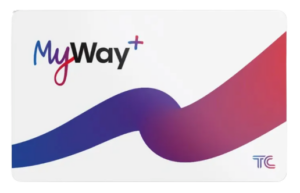
Fare Payment: Canberra passengers use the MyWay+ travel card, a tap-on, tap-off smart card accepted on buses and light rail throughout the city.
Belgium (Brussels)
Brussels operates one of Europe’s most interconnected transit systems, combining metro, tram, bus, and international rail service in the heart of the European Union. The Brussels Metro opened in 1976.
Highlights
- Extensive tram network throughout the city
- Major international rail hub with connections across Europe
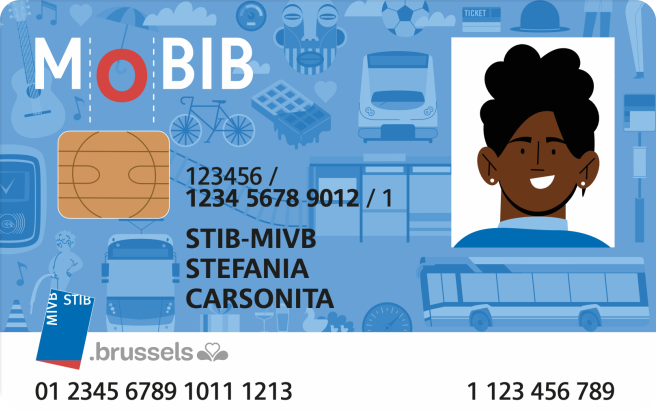
- Riders can choose to purchase a personal MOBIB card or an anonymous basic MOBIB card. Unlike the anonymous card, the personal card has a photo and personal information which allows riders to load season tickets, similar to ORCA regional passes.
Fare Payment: Transit riders in Brussels commonly use the MOBIB card, a contactless smart card that works across metro, tram, and bus services operated by STIB/MIVB.
Egypt (Cairo)
Opened in 1987, Cairo is home to Africa’s first metro system, serving one of the world’s largest and most densely populated urban regions.
Highlights
- Metro system first opened in 1987
- Millions of daily riders
- Continued expansion through new rail and monorail projects
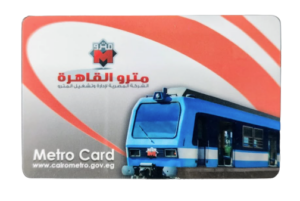
Fare Payment: Cairo Metro riders can use smart fare cards alongside single-trip tickets, helping speed passenger flow across the growing network.
Iran (Tehran)
Established in 1999, Tehran’s metro network, (Tehran Metro), plays a critical role in moving residents across one of the Middle East’s largest metropolitan areas.
Highlights
- Extensive metro and bus rapid transit network
- Designed to reduce congestion and air pollution
- Ongoing expansion projects across the region
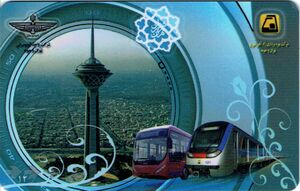
Fare Payment: Passengers in Tehran use the Tehran Metro Card, a reloadable smart card accepted across metro lines and portions of the city’s bus system.
Bosnia and Herzegovina (Sarajevo)
Sarajevo’s transit systems use trams, trolleys, and buses to form a unique network which is shaped by the geography of the city.
Highlights
- Opened in 1885, Sarajevo has one of Europe’s oldest tram systems
- Especially useful for connecting hillside neighborhoods to the walkable city center
- Currently undergoing modernization efforts with new fleet and new fare payment options
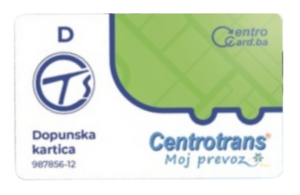
Fare Payment: While tickets are used for many forms of transit throughout the city, buses operated by Centrotrans offer the CentroCard, which is a reloadable fare payment card and app which riders can use to pay fares.
Qatar (Doha)
Opened in 2019, Doha’s incredibly sleek and fully automated metro system became a global showcase during the 2022 World Cup.
Highlights
- Opened in phases beginning in 2019
- Driverless trains and modern station architecture
- Riders can use the Karwa Journey Planner app to purchase e-tickets for payment via a smart device
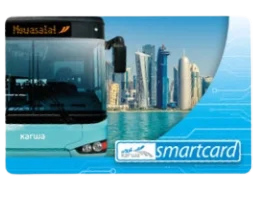
Fare Payment: Doha Metro riders use the Karwa Smartcard, a contactless payment card designed for seamless travel across the city’s metro and public bus systems.
While every city moves people differently, transit systems around the world share a common purpose: bringing people together. In 2026, Seattle’s buses, ferries, and light rail will become part of that global story as soccer fans from around the world ride transit to experience the games together at destinations around Puget Sound.
Whether visitors arrive from Washington D.C. to Brussels, one thing is certain: the World Cup runs on transit and ORCA is here to help all fans get where they need to go. Check out our World Cup Visitor’s Guide for more information about getting around the Seattle area during the games.